
Upon arriving in Tokaj, most visitors set off on the same road. Rákóczi Cellar, main square, a few pictures by the Bodrog riverbank, dinner, a few cellar visits. This is all beautiful, all deserved, this is all real Tokaj. But those who slow down a bit and pay attention to what is behind the established itineraries soon realize: this city and this wine region hide much more sights than can be explored in a day.
The name Tokaj-Hegyalja became world-famous due to its wine culture, and this partly covers what is around it. The landscape, the rivers, the smaller villages, the forgotten churches, the slopes of the vineyards: these do not make it into the itinerary templates, yet it is precisely these that provide the depth that draws someone to visit here. Not just for the wine, but for the place itself.
This article is not a list of secret places, nor is it the kind of „local tips” type of writing that every travel magazine tries to offer. Rather, it presents five points where one can suddenly understand what this region means.
All five Tokaj attractions are quickly accessible if someone is in Tokaj. Some of them on foot, some by a short drive. They do not require special preparation, just a free afternoon and sufficient patience. The wines and dishes listed on the Galuschka Bistro & Garden wine list can be traced back to these regions: those who know the area read the vineyard names differently and order differently from the menu.
Kopasz Hill, preferably before everyone else arrives.
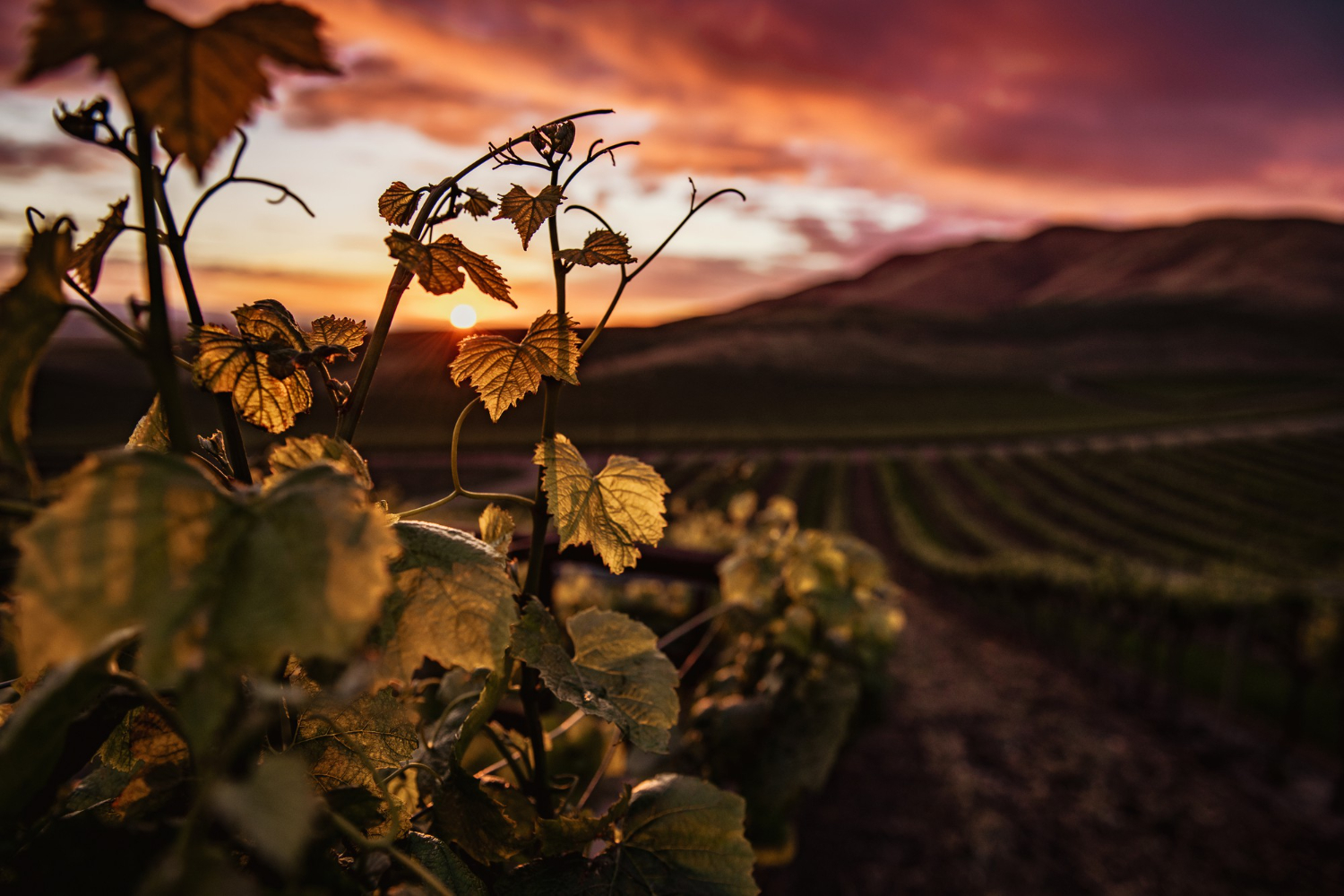
Kopasz Hill is the visual symbol of Tokaj. On it are the vineyards, below it the city, on either side the two rivers. This is the image that everyone knows who has ever read about Tokaj. The hill rises 383 meters above sea level, and from up there, one can see the confluence of the Tisza and Bodrog rivers, the two most important waterways of the wine region.
Important information
The summit of Kopasz Hill is currently not accessible.
Due to the installation of an air defense system, the path leading to the summit is closed, and visits are not possible for an indefinite period.
Where it is worth going instead
The proximity of the vineyards can also be experienced on the vineyard roads running at the foot of the mountain: walking among the vines, looking up at the hillside from below is a more personal experience for many than the panorama from the top. From the banks of the Bodrog, the complete outline of the Kopasz Mountain is clearly visible along with the vineyards, and this alone is one of the most characteristic Tokaj landscapes.
In the last section, the rows come so close to the path that during the harvest season, around September and October, the aszú berries come within reach. Shrivelled, darkening, honey-scented berries among the healthy bunches. This is the closeness that brings to life every aszú description read so far, and which can still be experienced today along the vineyard roads running at the foot of the hill.
The Kopasz Hill is not listed among the forgotten sights of Tokaj, but most itineraries do not include that few hours in the morning when it is truly worth heading that way. Among the vineyards, around the hill, this silence and this proximity exist even if the path to the summit is closed.
Erdőbénye: the forgotten beauty of the wine region
The name Erdőbénye means little to most people. It is further away from Tokaj, not included in the usual itineraries, and does not try to promote itself. This latter is its essence.
The village center is squeezed between the Zemplén Mountains and the vineyards. With a seriously regarded church relative to the size of the main square, a quiet street scene where most of the houses stand on a baroque or classicist basis. It is not a tidied-up festival village, not a wine tourist destination with posters and terraces on the main road. Simply preserved, somewhat worn, but precisely because of that authentic. One has the feeling that here it is not tourism that shapes the place, but the place shapes the tourism, that little which even reaches here.
The wine culture associated with Erdőbénye is old and unique. The cellars carved into the Liassic limestone maintain a different temperature and humidity than those deepened in volcanic soil, and this also affects the maturation process of the wines. Some local winemakers work exclusively with grapes from here, and what they produce is less known than that from Tarcal and Mád, but unmistakably represents its own style. After Tokaj and Mád, many think they know the wine region. They have not yet seen Erdőbénye.
Some of the Tokaj-Hegyalja wines appearing on the Galuschka wine list point in this direction: to a less visited but seriously regarded corner of the wine region. Those who browse the wine list at dinner and stumble upon an Erdőbénye item will know what that word means: not just a place name, but limestone, silence, and a different kind of autumn.
By car, it takes about 30 minutes from Tokaj. Erdőbénye does not require a whole day: two to three hours is more than enough for the main square, the streetscape, and one or two cellars. The return trip to Tokaj is a natural conclusion, and the Galuschka in the evening is a good closure for those who spent their morning in the more deserted but all the more beautiful corner of the wine region. Table reservation
The quiet path along the Bodrog
The Bodrog is one of Tokaj's main attractions, and everyone knows this. What most visitors see of it: barely 200-300 meters, the promenade in front of the cellar, near the bridge. Photogenic, crowded, organized.
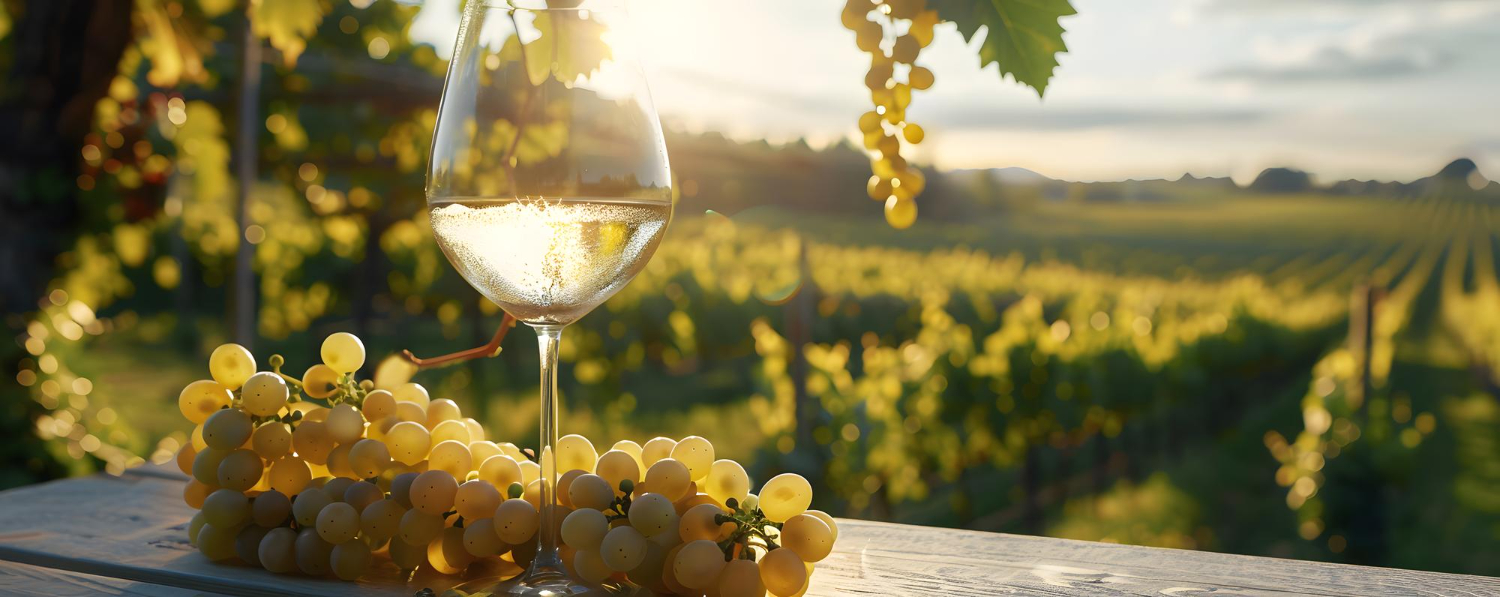
A pedestrian path runs along the riverbank beyond the city, and on this section, the Bodrog presents itself in its natural form. Reeds, willows, slow brown water. Sand and driftwood accumulate at the bends of the riverbed, and if one moves quietly, they may see cormorants, grey herons, and occasionally a kingfisher. These birds do not stay on the organized riverbanks.
The autumn character of the Bodrog is quite different from summer. Around September-October, the leaves begin to turn yellow on the willows, the water becomes slower, and the morning fog lingers more densely. This is the time when the harvest takes place in the Tokaj wine region, and the river seems to know: on its banks are vineyards, on its banks are cellars, the fog is not just weather, but one of the conditions for aszú.
Some of the ingredients used in Galuschka's kitchen come from the wider area of the Bodrog riverbank: the region's fish, the riverside vegetation, the seasonal ingredients that appear on the September and October menu. Those who walk along the riverbank and then sit down for dinner will understand why what is on the menu is there. The connection between the landscape and the plate is not an abstract thought, but just a few kilometers. View menu
The path starts from the northern end of Tokaj and leads towards Bodrogkeresztúr. On the way back, we either come the same way or take a bus from Bodrogkeresztúr, from where there is a regular service to Tokaj. The walk takes two to three hours, depending on the pace and stops.
The Greek Catholic church that does not advertise itself
A building stands a few minutes from the main square of Tokaj, which most visitors simply walk past. The Greek Catholic Church is not listed among the main attractions of Tokaj, is often closed on weekdays, and does not offer an audioguide or a museum shop. Those who do manage to enter will see something that is rare in the entire region.
The roots of the Tokaj Greek Catholic community trace back to the 17th-18th century resettlements in Transcarpathia and Rusyn. In Tokaj-Hegyalja, there was a strong Greek Catholic presence among the vineyard workers and landowner families for a long time. Without the local working communities, the early development of the wine region would look different: the cultivation of the vineyards, the deepening of the cellars, and the harvesting relied partly on these people. Tokaj is composed of many cultural layers, and the St. Nicholas Greek Catholic church is one of the least known witnesses of this.
The current building was constructed in 1743, and the interior's iconostasis wall is one of the best-preserved Baroque Greek Catholic interiors in Northern Hungary. The iconostasis, the wall that separates the nave from the sanctuary with its golden and reddish-hued icon rows, can almost always be viewed alone. Not in a festival crowd, not in the midst of a group tour. This is the ten minutes after which one better understands how many different stories make up the city where they will dine.
The opening hours change seasonally, so it's worth inquiring locally. This type of visit is not a museum experience. The building is still an actively used sacred space, and this is palpable.
Tarcal, where the vines reach the edge of the street.
Fewer tourists. More winemakers. In the village, the streets snugly fit right next to the foot of the vineyards, and at some points, the rows of vines actually reach the fences of the buildings. Not symbolically, but really: in some places, stepping out of the gate, we are already standing among the rows with just two steps.
The name Tarcal resonates well in wine circles. The warm, south-facing vineyards, including Terézia and Várhegy, are known for their rich, ripe furmints. They speak differently than the wines from Mád: where Mád is tighter, saltier, and more mineral, Tarcal is rounder, with riper fruits. In Tokaj, this can be expressed during a tasting. In Tarcal, it can also be seen: the slope of the hills, the arrangement of the vineyard plots, the geometry of the entire landscape makes clear what we felt in the glass. This is the difference between verbal explanation and personal experience, which is why it's worth stepping off the main road once.
The specific topography behind the Tarcal items on the Galuschka wine list stands. Anyone who has walked through the vineyards of Tarcal and then sits down at Galuschka with a Tarcal furmint will order differently. The vineyard name will not just be a word, but a place: a specific slope, a certain light in the late morning, the end of the vine row where the fence begins. Wine list
There are accommodation options in Tarcal if someone wants to spend two days in the wine region and be close to the smaller villages. However, in terms of dining, it's worth returning to Tokaj: to Galuschka, where the local and broader wine region ingredients are served on the plate, and where the wine list does not randomly include those items that one can already imagine the landscape behind. I will make a reservation.
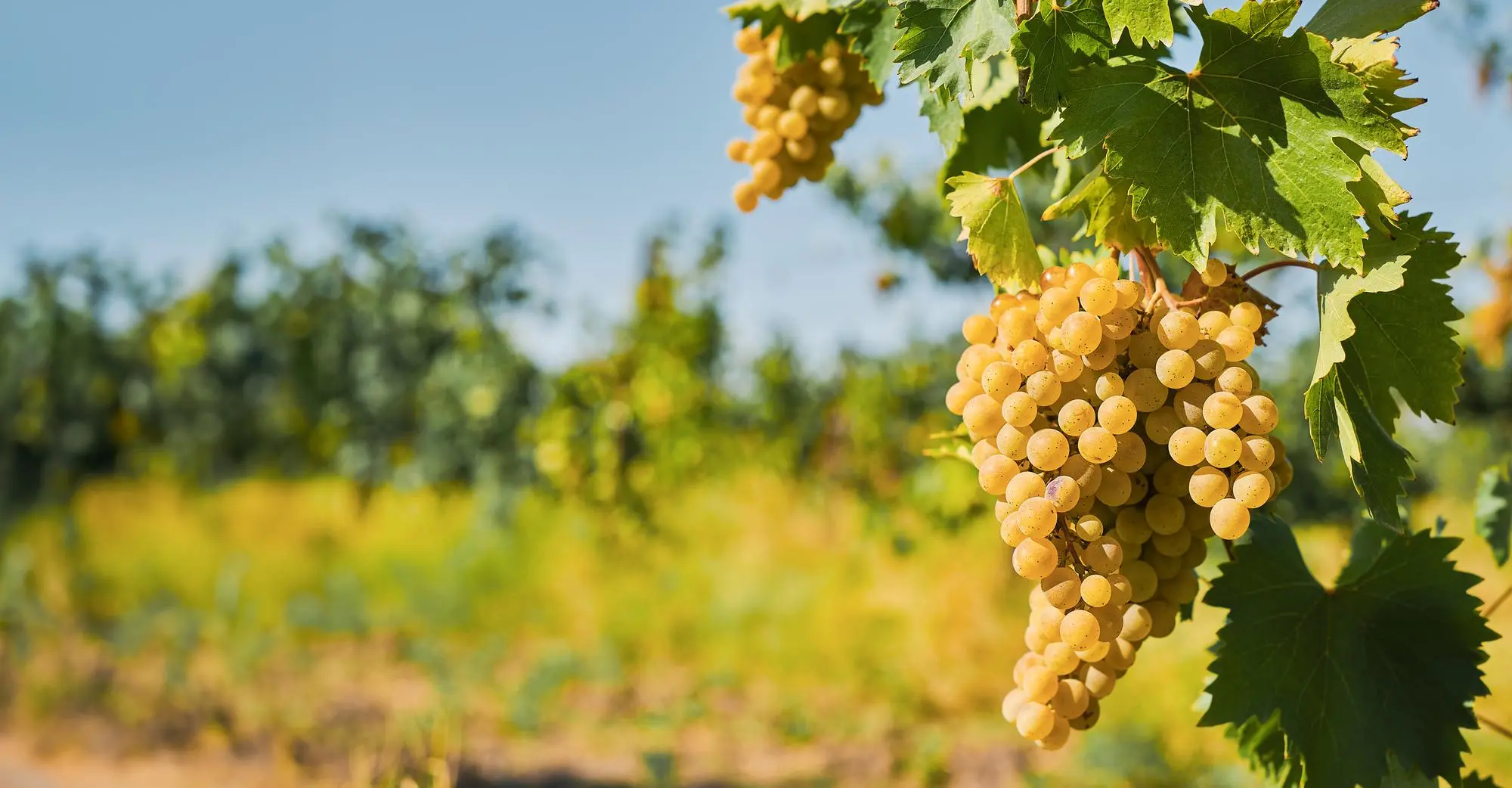
The layers of Tokaj that are worth returning to
Tokaj is usually a good place for a simple itinerary. The cellar, the main square, the wine dinner: these deserve their place. However, Tokaj is layered, and that layer is rarely found by those who move on after a two-hour stop.
None of the five places requires special preparation. Comfortable shoes for the Kopasz Hill. Car or bus to Erdőbénye. Free afternoon at the Bodrog bank. An open door at the Greek Catholic church. Good weather for Tarcal.
What connects them: at each one, there comes a moment when one stops taking photos and just stands. This is the moment after which Tokaj and its surroundings are no longer just a winemaker's name on the bottom of the glass, but a place where we understand what makes this region what it is.
The natural rhythm of the trip, if Galuschka is the base: morning walk around the Kopasz Hill, afternoon in Tarcal or Erdőbénye, evening dinner with the wine list, where the vineyard names now have faces. Where you can imagine the landscape behind the wines. This is the order that many are happy to return to, and which the Galuschka team is also happy to give tips on if you ask when booking.